Dry Ice and Soda Blasting Mold Removal in Pleasant Hills, OH
Dry ice or soda blasting removes mold from suitable exposed wood framing in your Pleasant Hills property. Call 24/7 to start your assessment and define the cleanup scope.
- Surface suitability checked
- Containment and HEPA dust control
- Moisture source assessed first
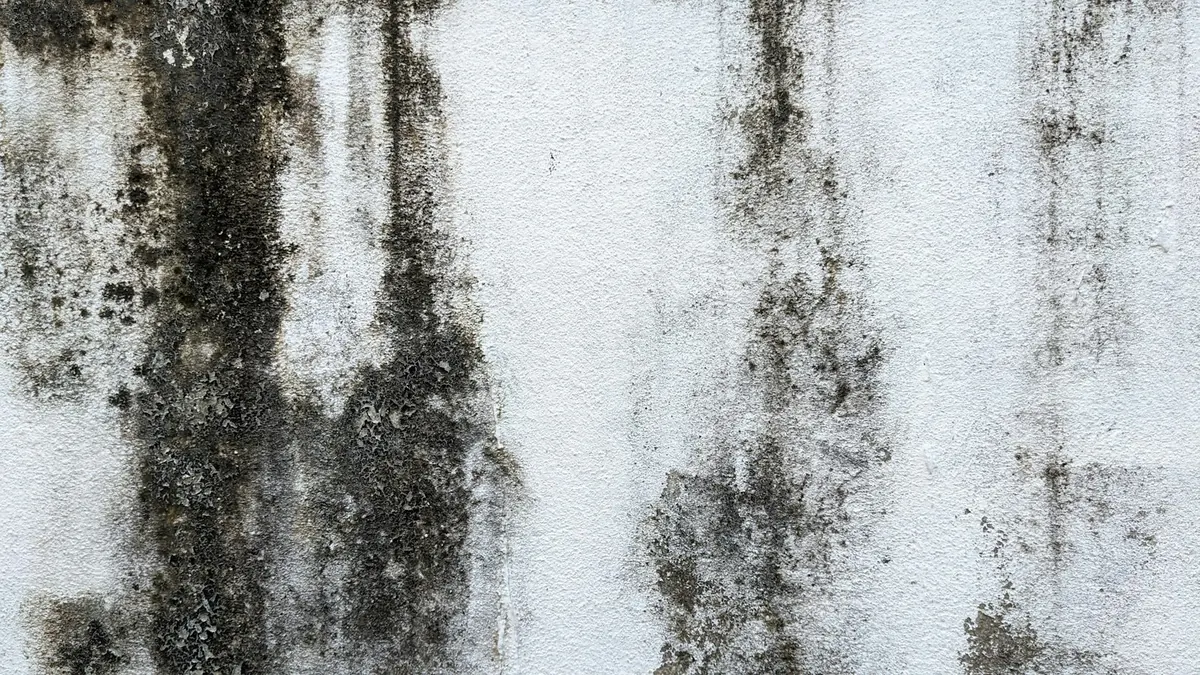
Your Dry Ice and Soda Blasting Mold Removal Services in Pleasant Hills
Your cleanup includes reachable growth on exposed wall studs and sound rafters in attics or joists in basements. Media blasting suitability depends on the condition of those surfaces.
Your cleaning media reaches wood through compressed air. With dry ice, CO2 pellets become gas; with baking soda, used media remains for collection alongside dust and removed mold.
Blasting cannot access enclosed cavities or restore decayed structural timber. Your scope of work records removal, containment and cleaning in writing. Plans for rebuilding and moisture correction are defined before the job starts.
- Evaluating the Sheathing and Framing Left Exposed
- Surface Testing With Soda or Dry Ice
- Contained cleaning with HEPA filtration
- Debris and spent media collection
- Drying and post-remediation verification
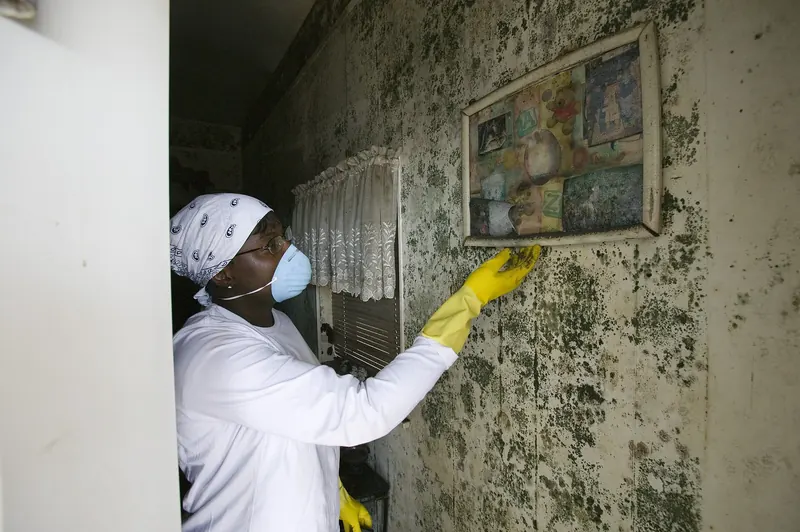
Signs You Need Dry Ice Surface Cleaning in Greater Cincinnati
Your exposed framing needs assessment when growth is visible. Blasting may be worth considering for these signs.
Growth Along Attic Rafters
Patches appear across potentially sound roof decking or exposed rafters.
Mold Around Joist Corners
Ordinary wiping struggles with growth along uneven wood surfaces and joints.
Growth Exposed by Drywall Removal
An opened wall reveals affected studs needing cleanup before replacement finishes.
Returning Basement Spots
Growth returns on beams while dampness or water intrusion continues.
How Your Pleasant Hills Dry Ice and Soda Cleaning Proceeds
Your cleanup moves from assessment to contained removal, cleaning, drying and verification.
Assess Wood and Access
Visible mold growth is mapped together with affected materials. Temperature differences are located by a thermal imaging camera, which does not detect mold; dampness checks use a moisture meter.
Define Moisture Corrections and Scope
Leaks are assessed alongside condensation ahead of cleaning. Your scope distinguishes moisture repairs and rebuilding from cleanup.
Set Dry Ice Work Controls
Negative air pressure works alongside poly sheeting and HEPA filtration to contain dust. Gas monitoring and ventilation, along with protection for equipment, are established ahead of dry ice use.
Remove Unsalvageable Materials
Damaged drywall and insulation are bagged inside containment. Deteriorated wood receives a repair assessment.
Trial Dry Ice or Soda Blasting
A preliminary test patch determines the settings and media for cleaning. When blasting does not suit sensitive surfaces, another method is assessed and used.
Collect Media and Debris
Collection of dislodged growth and dust uses a HEPA vacuum. Accessible recesses are cleared of soda residue; no spent media remains from dry ice.
Dry and Finish Cleaning
A dehumidifier supports drying with controlled air movers when needed. Before assessment and final cleaning, moisture readings measure drying progress.
Verify Before Removing Containment
Cleanliness is assessed alongside moisture content. An independent assessor performs clearance testing when specified, then containment comes down after required checks.
Why Choose Cincinnati Mold Removal Services for Dry Ice and Soda Blasting Mold Removal
Removal Through Final Checks
Debris collection, drying and verification follow blasting before containment comes down.
Calls Answered 24/7
Your metro-wide framing cleanup starts through a single number, whether you call by day or by night.
Clear Scope and Contained Work
Work begins with surfaces and containment defined in your scope, along with HEPA filtration and media-specific controls.
Dry Ice Suitability Checked First
The condition of your wood and a trial on the surface guide the cleaning method.
Preparing for Dry Ice Cleaning in Hamilton County
Call for an assessment while keeping your affected framing untouched.
- Stop incoming water if safe. Near wet areas, avoid electrical equipment.
- Keep people and pets away. Move household activity away from the affected area.
- Leave growth in place. Hold off on blasting, brushing and sanding until containment is in place.
- Keep affected HVAC off. Keep fans pointed away from growth and leave potentially mold-contaminated equipment switched off.
- Limit fresh water damage. EPA guidance for preventing mold growth is to dry areas and items damaged by water within 24 to 48 hours.
Pricing Dry Ice and Soda Cleaning in Pleasant Hills
Pricing depends on your scope after assessment. The figures from Fixr use different units. A general blasting rate does not equal a complete mold remediation price.
Dry ice treatment for mold
$1,400 to $2,000 per jobSource: Fixr, Mold Remediation Cost (checked 2026-10-23)Dry ice blasting rate including labor for general use, not mold specifically
$3.5 to $5 per square footSource: Fixr, Sandblasting Cost (dry ice blasting section, not mold specific) (checked 2026-10-23)Non-mold-specific rate for general soda blasting
$45 to $75 per hourSource: Fixr, Sandblasting Cost (dry ice blasting section, not mold specific) (checked 2026-10-23)Understanding What Influences Your Dry Ice Mold Removal Cost
- Affected surface area and condition
- Containment, ventilation and HEPA filtration
- Media, debris collection and disposal
- Damaged material removal and separate repairs
- Attic or crawl space access
Your Blasting and Cleanup Price
These published national ranges are planning figures. Your on-site assessment defines the work and price before cleanup starts, including any separate source repairs or rebuilding.
Call (844) 352-3560 about costDry Ice and Soda Blasting Mold Removal Service Area Across Greater Cincinnati
Call (844) 352-3560 to arrange cleanup in Pleasant Hills or nearby communities. One number covers the metro.
Dry Ice and Soda Blasting Mold Removal in Locations Near Pleasant Hills
ZIP codes
What People Ask About Dry Ice and Soda Blasting Mold Removal in Pleasant Hills
Is testing necessary on either side of dry ice cleaning?
With visible mold, air sampling is often not needed according to EPA guidance. Your cleanup area is determined through inspection and moisture checks. Following blasting, containment stays up until debris removal, drying and cleanliness have been checked. Clearance testing, if specified, uses an assessor independent of the cleanup. Indoor mold levels have no federally established limit.
Does mold ever return to blasted wood?
Mold can return if the moisture problem remains. At the start of your cleanup, the moisture source is addressed and repairs needed alongside removal are identified. Sound wood receives cleaning, then drying, ahead of new finish installation. For roof, plumbing and ventilation repairs, inclusion depends on being listed in your scope.
How do dry ice and soda blasting differ?
Dry ice pellets turn to gas during cleaning, leaving removed contamination to collect. Soda blasting leaves debris together with the baking soda already used. Final cleanup and containment are needed for either method. Method suitability for your wood, ventilation, access and intended finish is determined by a surface assessment and trial area.
Is staying home possible while blasting takes place?
Separation between occupied rooms, the workspace and the debris route may allow you to stay home. Shared ventilation and noise influence that decision alongside household needs and gas controls. Access restrictions are established in your assessment before work begins. Certain layouts mean you must stay somewhere else until required checks and cleaning have finished.
Will dry ice blasting replace damaged wood or drywall?
Suitable exposed surfaces can be cleaned by blasting, but damaged material still needs replacement. Exposing your framing may require removing unsalvageable insulation and moldy drywall. Wood with softness or decay requires assessment for repairs. Your scope distinguishes surface cleaning from replacement insulation, finish work and structural repairs ahead of cleanup.
How much will blasting cleanup cost in Hamilton County?
Your price depends on surface area, wood condition, access and the complete cleanup scope. Mold treatment and general blasting have distinct rates in the sourced cards above, with each retaining its own units. Ventilation, drying, material removal and containment may alter your total. Your price and scope are explained ahead of the work.
What is the timeline for dry ice cleanup in Pleasant Hills?
Your framing and access route are assessed alongside moisture conditions to establish the schedule. Large surface areas, insulation damage and restricted hatch openings add to the work needed ahead of blasting. After surface cleaning, debris is collected and drying follows. Moisture readings and the agreed verification set the point for removing containment and beginning repairs.
Your Ohio Insurance and Dry Ice Cleanup
Homeowners insurance coverage depends on moisture cause, exclusions, mold limits and deductible. Cleanup and repairs may receive different decisions.
Dry Ice Work Precautions for Your Ohio Property
Your plan sets controls for debris in the air and hazards tied to the chosen blasting media.
Worker Protection
For airborne debris, compressed air, cold media and noise, protective equipment is used.
Surface Protection
A trial area tests the cleaning result. Wiring and finishes, along with mechanical equipment, receive protection from the blasting stream.
Dry Ice Gas Controls
Dry ice gives off carbon dioxide. Ventilation and gas monitoring are planned for the work area; HEPA filtration does not remove this gas.
Dry Ice Particle Control
Mold spores and dust spread less during blasting with containment plus a HEPA air scrubber in place.
Cleanup scope: EPA says areas under about 10 square feet can often be homeowner-cleaned. This does not mean you should blast yourself. Mold from sewage or contaminated water, HVAC systems and larger areas require professional help.
Dry Ice Work in Hamilton County: Materials That Get Cleaned
Damaged porous materials may require removal; you can often retain sound framing.
Wood surfaces
- Suitable joists and rafters, along with studs and sheathing, receive cleaning and drying following assessment.
Damaged porous materials
- Removal covers unsalvageable insulation and moldy drywall. Repair needs of decayed structural wood require assessment.
Non-porous surfaces
- Metal and glass near the work are either protected or cleaned appropriately.
Dry Ice Cleanup Timing in Hamilton County
Your timing includes both the preparation and the last verification step.
- Access: Setup depends on hose routing and narrow hatches.
- Material condition: Exposed decay can add repairs.
- Completion: Moisture readings help determine readiness to rebuild alongside final checks.
Moisture and Odor After Dry Ice Cleaning in Greater Cincinnati
Musty odor is investigated with moisture checks. Blasting cannot reach closed cavities; fragrance does not remove hidden growth.
Keep your indoor relative humidity under 60 percent, with 30 to 50 percent as the ideal range recommended by EPA. Controlling moisture and finishing leak repairs helps stop mold from returning.
What Dry Ice Work Requires in Ohio
Removal Requirements
Ohio does not appear to have a statewide license for mold inspectors or remediators, and the Ohio Construction Industry Licensing Board covers only electrical, HVAC, plumbing, hydronics and refrigeration contractors. Homeowners can ask any contractor about their training and experience and check local contractor rules.
Repair Permits
Included building work, such as structural replacement and opening walls, determines permit requirements.
Rental Properties
Ohio's landlord-tenant law (Revised Code 5321.04) says landlords must follow health and safety codes and keep rental premises fit and habitable.
State Mold Information
The Ohio Department of Health has an Emergency Flood Cleanup and Mold page that lists signs of mold and advises fixing the water source. Its Health Assessment Section says it does not offer resources specific to mold cleanup.
State guidance: Ohio Department of Health, Emergency Flood Cleanup and Mold; Ohio Department of Health, Health Assessment Section questions; Ohio Department of Commerce, Residential Property Disclosure Form (eff. 6/2022); Ohio Revised Code 5302.30 (Internet Archive copy of codes.ohio.gov); Ohio Revised Code 5321.04 (Internet Archive copy of codes.ohio.gov); Ohio Department of Commerce, Ohio Construction Industry Licensing Board
Related Services and Next Steps
Start Your Dry Ice and Soda Blasting Mold Removal in Pleasant Hills
Call 24/7 to arrange your assessment. Your cleanup starts with the affected surfaces, moisture source and access to your home.